
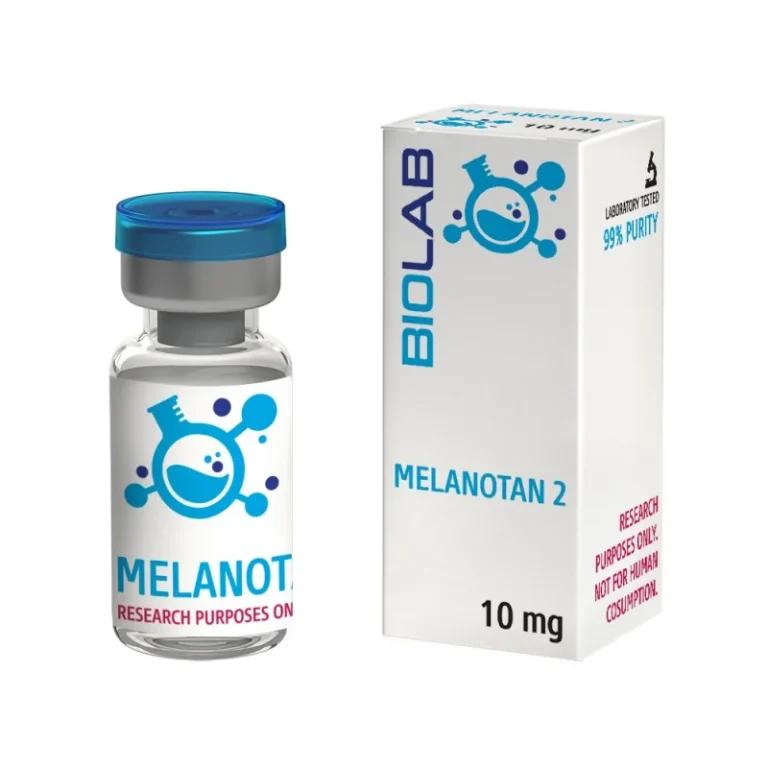
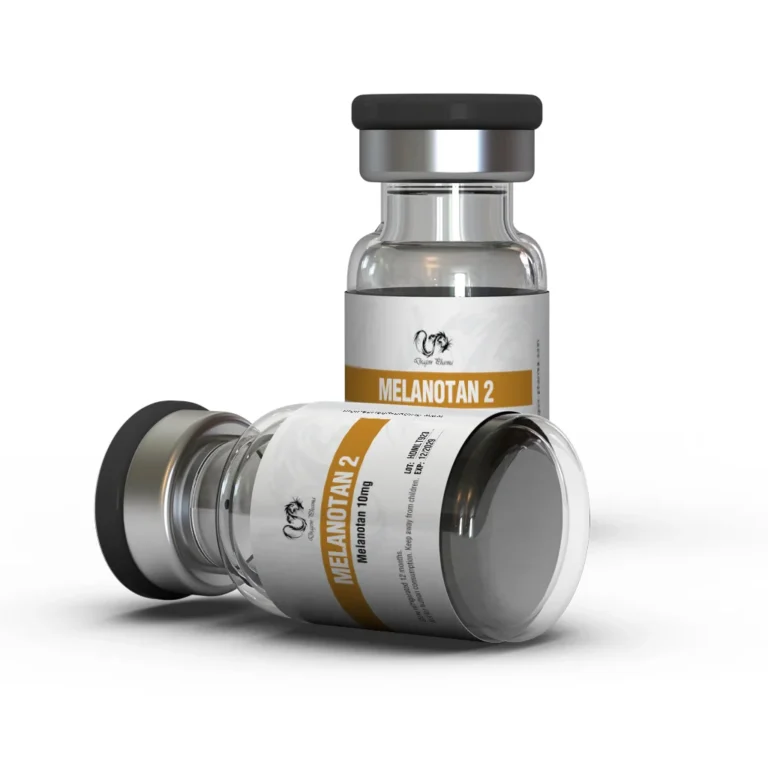
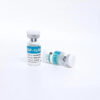
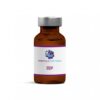
What Melanotan 2
Melanotan 2 is a synthetic peptide designed to mimic certain actions of alpha-melanocyte–stimulating hormone (α-MSH). It primarily works by binding to melanocortin receptors—especially pathways that influence melanin production and aspects of pigmentation.
Because of this mechanism, it’s often marketed online for:
- Tanning / increasing skin pigmentation
- Reducing discomfort associated with sun exposure (claim varies by seller/individual reports)
- Other uses are discussed, but the core idea is melanocortin pathway stimulation
Important safety context
Even if people use MT2 for cosmetic effects, it’s important to understand that:
- Many products sold as “Melanotan 2” are not regulated like approved prescription drugs.
- Purity and dosing accuracy can vary widely between sources.
- Side effects can be significant, and there are skin-related risks to consider (especially if you already have moles, atypical moles, or a history of skin cancer in yourself or close relatives).
If you’re using MT2 (or considering it), a dermatology-focused safety plan matters: baseline skin exam and vigilance for new or changing lesions are key.
Advantages
1) Increased pigmentation / “tanning effect”
Because MT2 can stimulate melanogenesis, users often report:
- Darkening of skin tone over time
- A more “tanned” appearance with less perceived need for prolonged sun exposure
Reality check: This doesn’t replace safe tanning practices (sunscreen, protective clothing). Pigmentation changes are not the same as photoprotection.
2) Potential reduction in reliance on UV for appearance
Some users believe MT2 helps them achieve color with less tanning time. That may reduce overall UV exposure for some, but:
- You still may feel inclined to get sun to “activate” or accelerate results.
- Pigmentation doesn’t guarantee you’re protected from UV-related damage.
How to store Melanotan 2
Storage guidance depends heavily on whether you have:
- A research-chemical vial you reconstitute yourself, or
- A formulated prescription/compounded product from a legitimate medical source
Because sellers vary, the exact instructions should come from the manufacturer/label (and sometimes the certificate of analysis).
General best practices
- Keep it refrigerated after reconstitution if the product instructions say so.
- Protect from light (many peptides are light-sensitive).
- Use sterile technique when removing doses to prevent contamination.
- Minimize repeated freeze–thaw cycles if your product is sensitive to temperature swings.
- Clearly label the vial with reconstitution date (so you know its age).
Signs it may be compromised
- Cloudiness, discoloration, particles (do not use)
- Packaging or vial integrity issues
- If instructions are missing/unclear from the seller, that’s an additional red flag.
Shelf life
Shelf life is product-specific. Often:
- Powder may last longer if stored properly.
- Reconstituted solutions may have a much shorter window (commonly measured in days to a limited number of weeks depending on formulation and storage).
Without the label, you should treat your vial conservatively.
Be the first to review “MELANOTAN 2 10MG”
Related products
peptides

peptides
peptides
peptides
peptides
peptides
peptides
peptides
Reviews
There are no reviews yet.