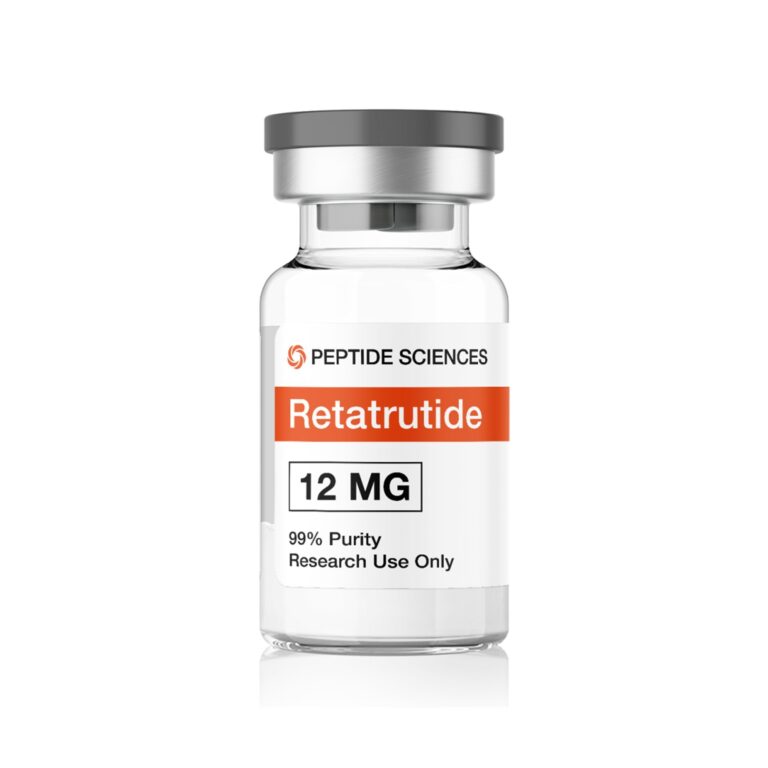
Retatrutide is an investigational, next-generation peptide therapy that has been developed to support advanced metabolic optimization, particularly in the areas of weight management and glycemic control. As a multi-receptor agonist, it is designed to target key hormonal pathways involved in appetite regulation, energy expenditure, and glucose metabolism. Consequently, it represents a significant evolution beyond traditional single-pathway peptide therapies
Retatrutide functions as a triple agonist, meaning it simultaneously activates the GLP-1 (glucagon-like peptide-1), GIP (glucose-dependent insulinotropic polypeptide), and glucagon receptors. Through this multi-targeted approach, a synergistic effect is achieved. Appetite suppression is enhanced, caloric intake is reduced, and metabolic rate may be increased. In addition, improved insulin sensitivity is supported, allowing for better blood glucose regulation.
Moreover, fat metabolism is believed to be positively influenced, as glucagon receptor activation may promote increased energy expenditure. Therefore, Retatrutide is often positioned as a highly advanced candidate within peptide-based metabolic therapies.
Several advantages are associated with Retatrutide when compared to earlier peptide therapies:
• Enhanced Weight Loss Potential: Due to its triple agonist mechanism, greater reductions in body weight may be achieved compared to single or dual agonists.
• Improved Metabolic Efficiency: Glucose control and insulin sensitivity may be significantly improved, supporting overall metabolic health.
• Appetite Regulation: Hunger signals are effectively reduced, which can assist individuals in maintaining a caloric deficit.
• Potential Fat Loss Optimization: Energy expenditure may be increased, contributing to improved body composition.
• Extended Duration of Action: Longer activity within the body allows for less frequent administration in many protocols. As a result, Retatrutide is increasingly being explored for individuals seeking comprehensive metabolic support.
Retatrutide is typically administered via subcutaneous injection. This method ensures efficient absorption and consistent bioavailability. In most applications, injections are performed in areas such as the abdomen, thigh, or upper arm.
Furthermore, dosing protocols are generally structured in a gradual escalation format. This approach allows the body to adapt to the peptide while minimizing potential side effects. Although exact dosing regimens may vary depending on research protocols or clinical guidance, administration is commonly performed on a weekly basis due to its extended half-life.
It is important to note that Retatrutide is still under investigation and should be used in accordance with applicable regulations and professional oversight. Therefore, consultation with a qualified healthcare provider is strongly recommended prior to use.
Storage Guidelines Proper storage of Retatrutide is essential to maintain its stability and effectiveness. The following guidelines are typically recommended:
• Refrigeration: Unreconstituted vials should be stored at temperatures between 2°C and 8°C (36°F to 46°F).
• Protection from Light: The peptide should be kept in its original packaging to prevent exposure to light, which may degrade its structure.
• Avoid Freezing: Freezing should be avoided, as it can compromise the integrity of the peptide.
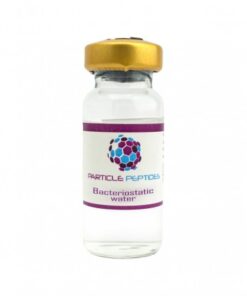
• Post-Reconstitution Storage: Once reconstituted with bacteriostatic water, the solution should be refrigerated and used within a specified timeframe, often within 20–30 days depending on handling conditions.
• Sterile Handling: Proper aseptic techniques should always be followed to prevent contamination. By adhering to these storage practices, product quality and safety can be preserved.
While Retatrutide shows promising potential, certain considerations should be acknowledged.
Mild gastrointestinal effects, such as nausea or decreased appetite, may occur, particularly during initial use. However, these effects are often transient and may diminish as the body adjusts.
Additionally, as with any peptide therapy, individual responses can vary. Therefore, outcomes may differ based on factors such as lifestyle, diet, and overall health status.
In summary, Retatrutide represents a cutting-edge advancement in peptide-based metabolic therapies. Through its unique triple agonist mechanism, it offers a comprehensive approach to weight management, appetite control, and metabolic optimization. Furthermore, its extended duration of action and enhanced efficacy profile distinguish it from earlier generations of peptide treatments.
When used responsibly and stored correctly, Retatrutide may serve as a valuable component within a broader health and wellness strategy. Nonetheless, due to its investigational status, it should always be approached with appropriate caution and professional guidance.


Reviews
There are no reviews yet.