
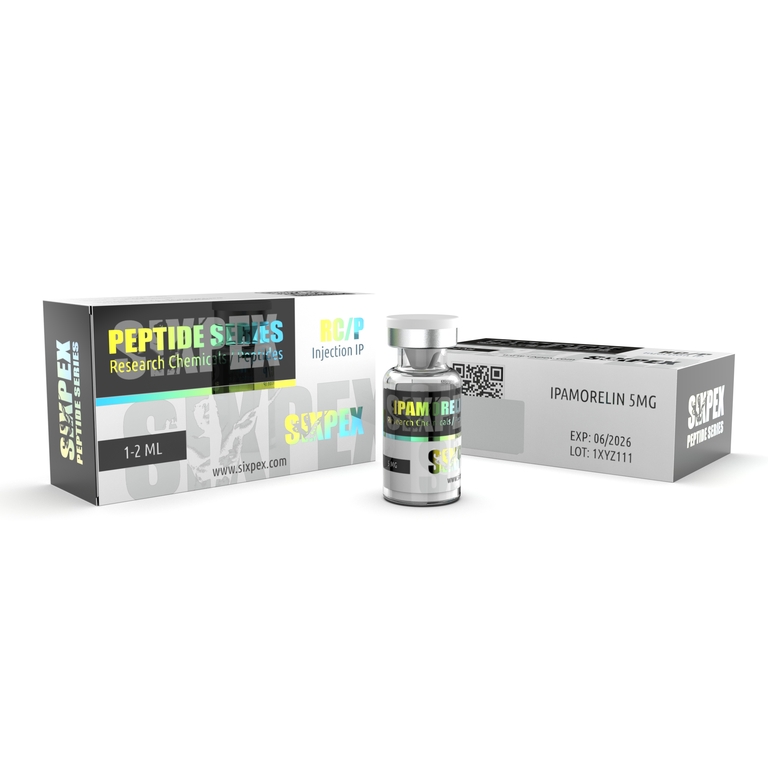
Semaglutide: Use, Dosage, Solution Logic, Effects, and Side Effects
What Is Semaglutide?
Semaglutide is a long-acting GLP-1 (Glucagon-Like Peptide-1) receptor agonist. It mimics the action of the natural GLP-1 hormone, playing a key role in appetite regulation, glucose metabolism, and insulin secretion.
- Reduces appetite
- Slows gastric emptying
- Improves insulin sensitivity
- Enhances blood glucose control
- Supports significant weight loss
Semaglutide was originally developed for type 2 diabetes treatment, but its strong effects on appetite suppression and weight loss have made it widely used in obesity and metabolic health management.
Dosage Logic (With Numerical Values)
Semaglutide is administered once weekly. A gradual dose escalation is essential to reduce gastrointestinal side effects and allow physiological adaptation.
Standard Clinical Dose Steps
- 0.25 mg once weekly – starting (adaptation) dose, typically for 4 weeks
- 0.5 mg once weekly
- 1.0 mg once weekly
- 1.7 mg once weekly
- 2.4 mg once weekly – maximum dose
Example Titration Schedule
- Weeks 1–4 → 0.25 mg
- Weeks 5–8 → 0.5 mg
- Weeks 9–12 → 1.0 mg
- Weeks 13–16 → 1.7 mg
- Week 17 and beyond → 2.4 mg
Not all individuals need to reach the maximum dose. Many users achieve effective appetite control and weight loss in the 0.5–1.7 mg range.
When Should Dose Escalation Stop?
- Persistent or severe nausea
- Repeated vomiting
- Excessive fatigue or weakness
- Sufficient weight loss already achieved
Increasing the dose does not always improve results. The goal is sustainable long-term use, not rapid escalation.
Solution Preparation (Conceptual Explanation)
Semaglutide is commonly supplied as pre-filled, single-use injection pens. In some clinical or research settings, it may also be available as a lyophilized powder requiring reconstitution.
Solution Logic
A defined milligram (mg) amount is dissolved in a defined volume (ml)
- This creates a consistent concentration
- Concentration = mg / ml
Conceptual Example:
- 5 mg drug + 1 ml diluent
- Concentration = 5 mg/ml
- 0.1 ml = 0.5 mg
- 0.05 ml = 0.25 mg
Improper dilution can lead to inaccurate dosing and increased side effects. This section explains calculation logic only and is not an application guide.
When Do the Effects Begin?
Early Phase (0.25 mg – 0.5 mg)
- Initial appetite suppression
- Earlier satiety
- Reduced meal size
Mid Phase (Weeks 6–10, 0.5 – 1.0 mg)
- Noticeable weight loss
- Reduced cravings for carbohydrates and sweets
- Improved blood glucose stability
Later Phase (1.7 – 2.4 mg)
- Stronger metabolic effects
- Pronounced fat loss
- Sustained appetite control
Average Weight Loss Data
- 0.5 mg → approximately 5–7% body weight loss
- 1.0 mg → approximately 8–12% body weight loss
- 2.4 mg → 15% or more after about one year
Results depend on dietary habits, physical activity, baseline weight, and individual metabolic response.
Side Effects (Dose-Dependent)
Most Common
- Nausea
- Gastric fullness
- Constipation or diarrhea
- Burping
More Likely at Higher Doses
- Vomiting
- Acid reflux–like symptoms
- Fatigue
- Dizziness
Strategies to Reduce Side Effects
- Eat slowly and mindfully
- Avoid large or high-fat meals
- Do not eat heavy meals late at night
- Drink adequate water
- Increase doses gradually
Who May Be at Higher Risk?
- History of medullary thyroid carcinoma
- History of pancreatitis
- Severe gastrointestinal disorders
- Pregnancy or breastfeeding
In these populations, semaglutide use requires careful medical supervision.
Conclusion
Semaglutide is a well-established GLP-1 receptor agonist with a dosing range from 0.25 mg to 2.4 mg once weekly. While higher doses often provide stronger effects, the best dose is the one that is effective and tolerable.
- Gradual titration
- Monitoring side effects
- Combining treatment with lifestyle changes
When used correctly, semaglutide can be a powerful and sustainable tool for long-term weight and metabolic management.
Be the first to review “SIXPEX Semaglutide 5mg”
Related products

Anxiety
peptides
peptides


Anxiety
Anxiety
Anxiety

peptides
peptides
Reviews
There are no reviews yet.